
Professional Business Writer


Starting a business is an exciting journey, but it also comes with many challenges. Entrepreneurs must make critical decisions about their products, services, marketing strategies, finances, and long-term goals. Without proper planning, businesses can quickly lose direction and struggle to survive in competitive markets.
One of the most important tools that entrepreneurs can use to guide their business is a business plan. A business plan is a structured document that outlines the goals of a business, the strategies required to achieve those goals, and the financial projections that support the company’s future growth.
Many successful companies began with a carefully prepared business plan that helped founders clarify their ideas and identify potential risks before launching their businesses. Whether you are starting a small startup or expanding an existing company, a business plan provides a roadmap that helps you make informed decisions.
A well-developed business plan not only guides internal operations but also communicates the value of your business to investors, lenders, and partners. Financial institutions and venture capitalists often require a detailed business plan before providing funding, as it demonstrates the viability of the business and the entrepreneur’s commitment to success.
In this comprehensive guide, we will explore the importance of a business plan, the key benefits it provides, and how entrepreneurs can use business planning to build sustainable and profitable companies.
What Is a Business Plan?
A business plan is a formal document that describes a company’s objectives and the strategies used to achieve them. It acts as a roadmap that outlines how a business will operate, generate revenue, and grow over time.
Most business plans contain several essential components, including:
Each of these sections plays a critical role in helping entrepreneurs understand their business environment and prepare for future challenges.
Business plans can vary depending on the size and type of business. A small startup might develop a simple plan focused on market entry and financial sustainability, while larger organizations may produce detailed strategic plans that guide long-term expansion.
Regardless of the format, the purpose of a business plan remains the same: to provide clarity, direction, and strategic focus for the business.


Why Business Planning Is Important
Business planning is essential because it allows entrepreneurs to evaluate their ideas before committing significant resources. Without a plan, business owners may make decisions based on assumptions rather than reliable data.
Planning encourages entrepreneurs to conduct research, analyze market trends, and develop realistic financial projections. This process reduces uncertainty and improves the chances of business success.
Another important benefit of business planning is that it helps entrepreneurs set measurable goals. Clear objectives allow businesses to track progress and adjust strategies when necessary.
In addition, business planning promotes discipline and accountability. When entrepreneurs document their strategies and financial expectations, they are more likely to remain focused on achieving their targets.
Key Benefits of a Business Plan
A business plan provides numerous advantages for entrepreneurs and business owners.
One of the most significant benefits of a business plan is that it helps entrepreneurs clarify their vision. Writing a plan forces business owners to think critically about their mission, target market, and long-term objectives.
Clear goals provide direction and ensure that all business activities align with the overall strategy.
Investors and lenders often require a business plan before providing financial support. A well-structured plan demonstrates that the entrepreneur has carefully analyzed the market and developed a realistic strategy for profitability.
Financial projections, market research, and operational plans give investors confidence in the business opportunity.
A strong business plan includes detailed market research. This research helps entrepreneurs identify customer needs, analyze competitors, and discover potential opportunities within the industry.
Understanding the market allows businesses to position their products or services more effectively.
Business planning provides a framework for making strategic decisions. Entrepreneurs can evaluate potential risks, compare different strategies, and select the options that best support their goals.
Better decision-making leads to improved efficiency and long-term success.
Every business faces risks, including financial uncertainty, competition, and changing market conditions. A business plan helps entrepreneurs identify these risks early and develop strategies to manage them.
By preparing for potential challenges, businesses can avoid costly mistakes and maintain stability.


Importance of a Business Plan for Entrepreneurs
Entrepreneurs often start businesses based on innovative ideas or personal passions. While enthusiasm is important, successful entrepreneurship requires careful planning.
A business plan helps entrepreneurs transform ideas into actionable strategies. It allows them to define their target customers, estimate startup costs, and develop marketing strategies.
Entrepreneurs also benefit from the accountability that business planning provides. Having a documented plan ensures that founders remain focused on their objectives and track progress toward key milestones.
Importance of a Business Plan for Startups
Startups operate in highly uncertain environments where resources are limited and competition is intense. For this reason, a business plan is especially important during the early stages of a company.
Startups need a clear strategy to attract customers, generate revenue, and manage cash flow. A business plan helps founders prioritize tasks, allocate resources effectively, and monitor performance.
Additionally, many startup investors evaluate business plans before deciding whether to fund new ventures. A detailed plan demonstrates that the startup has a viable business model and growth potential.


Importance of a Business Plan for Small Businesses
Small businesses face unique challenges such as limited budgets, smaller teams, and increased competition from larger companies. A business plan helps small business owners stay organized and focused.
Planning helps small businesses control expenses, track revenue, and identify opportunities for expansion. It also enables business owners to evaluate new ideas before investing time and money.
With a well-structured business plan, small businesses can operate more efficiently and adapt to changing market conditions.
How a Business Plan Helps Secure Funding
One of the most common reasons entrepreneurs create business plans is to secure funding from banks or investors.
Financial institutions need evidence that a business has the potential to generate profits and repay loans. A comprehensive business plan provides this evidence through detailed financial projections and market analysis.
Investors also use business plans to evaluate the entrepreneur’s management skills and strategic thinking. A clear and realistic plan increases the chances of attracting investment.

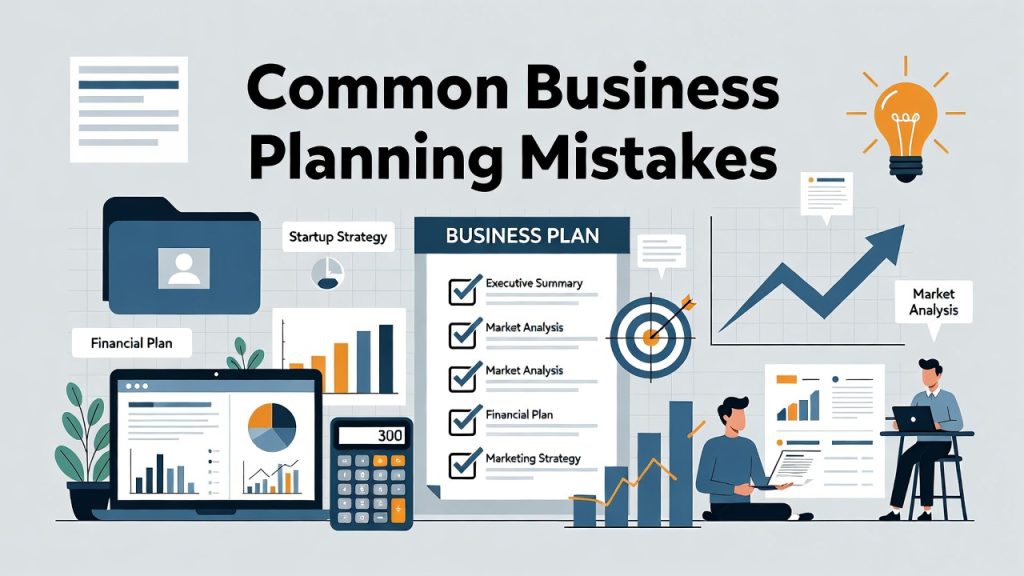
Common Business Planning Mistakes
Although business planning is essential, many entrepreneurs make mistakes when creating their plans.
Some entrepreneurs overestimate revenue and underestimate costs. Accurate financial projections require careful research and realistic assumptions.
A business plan must be based on reliable market data. Without proper research, businesses may misunderstand customer needs or underestimate competition.
While detailed plans are important, they should remain clear and practical. Overly complicated documents may become difficult to implement.
Entrepreneurs sometimes focus only on opportunities while ignoring potential risks. A balanced business plan should address both strengths and challenges.
How to Create an Effective Business Plan
Developing a strong business plan involves several key steps.
The executive summary provides an overview of the business and its objectives. It highlights the key points of the business plan.
Understanding the target market is essential for developing effective strategies. Market research helps identify customer preferences and industry trends.
The business model explains how the company generates revenue and delivers value to customers.
A marketing plan outlines how the business will attract and retain customers.
Financial projections estimate revenue, expenses, and profitability over a specific period.


Real Examples of Successful Business Planning
Many successful companies began with strong business plans. Founders used planning to evaluate their ideas, secure funding, and guide their growth strategies.
For example, technology startups often rely on business plans to present their ideas to venture capital investors. These plans include detailed financial forecasts and market analysis.
Similarly, small businesses use business plans to secure bank loans and manage their operations more effectively.
Frequently Asked Questions
A business plan helps entrepreneurs define goals, understand their market, secure funding, and guide long-term business strategy.
Yes. Even small businesses benefit from planning because it improves financial management and strategic decision-making.
Some businesses may succeed without formal plans, but having a business plan significantly increases the chances of success.
A typical business plan ranges from 15 to 30 pages, depending on the complexity of the business.
Key sections include the executive summary, market analysis, business model, marketing strategy, and financial projections.
Unit 80, Cherry Orchard Business Park, D10NX96, Dublin 10, Ireland
Monday – Saturday: 08:30 to 20:00
Sunday: Closed
Email: info@grandbusinessplan.com
Mobile/WhatsApp: +353 85 888 2817

Unit 80, Cherry Orchard Business Park, D10NX96, Dublin 10, Ireland

Most Popular
Services
© 2026 Grand Business Plan ®All rights Reserved